
50 Years of Teaching for Justice
Explore an oral history archive documenting the stories of people and editors who make Radical Teacher possible.

Let’s Get Radical
Oral History Archive
The Journal
Resources
Latest Oral History Interviews
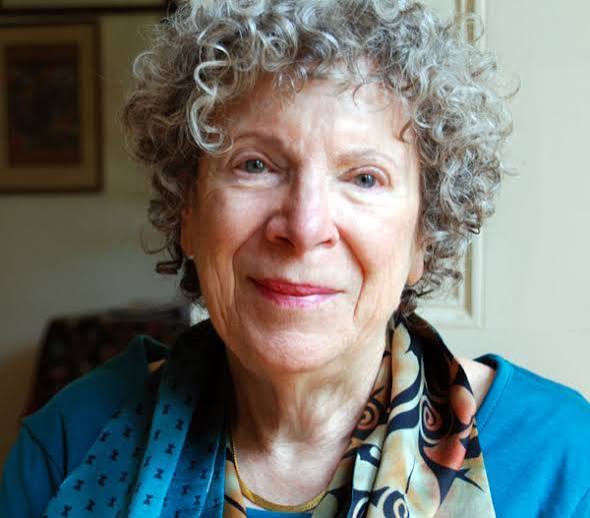
Linda Dittmar
The Interview An oral history interview for Radical Teacher Interviewed by Joseph Entin and Jocelyn Wills August 15, 2023. The transcript has been lightly edited for readability. Joseph Entin: Okay, we are in business. Nice to see you both. Today is Tuesday, August fifteenth, about 3:15 in the afternoon. I’m Joseph Entin, from the Radical…

Pam Annas
The Interview An oral history interview for Radical Teacher Interviewed by Joseph Entin and Jocelyn Wills on January 17, 2023. The transcript has been lightly edited. Jocelyn Wills: Welcome Susan. The Interview Joseph Entin: Okay, we’re recording now. Today is Wednesday, August 13th, 2025. I’m Joseph Entin. I’ve been on the Radical Teacher board since…
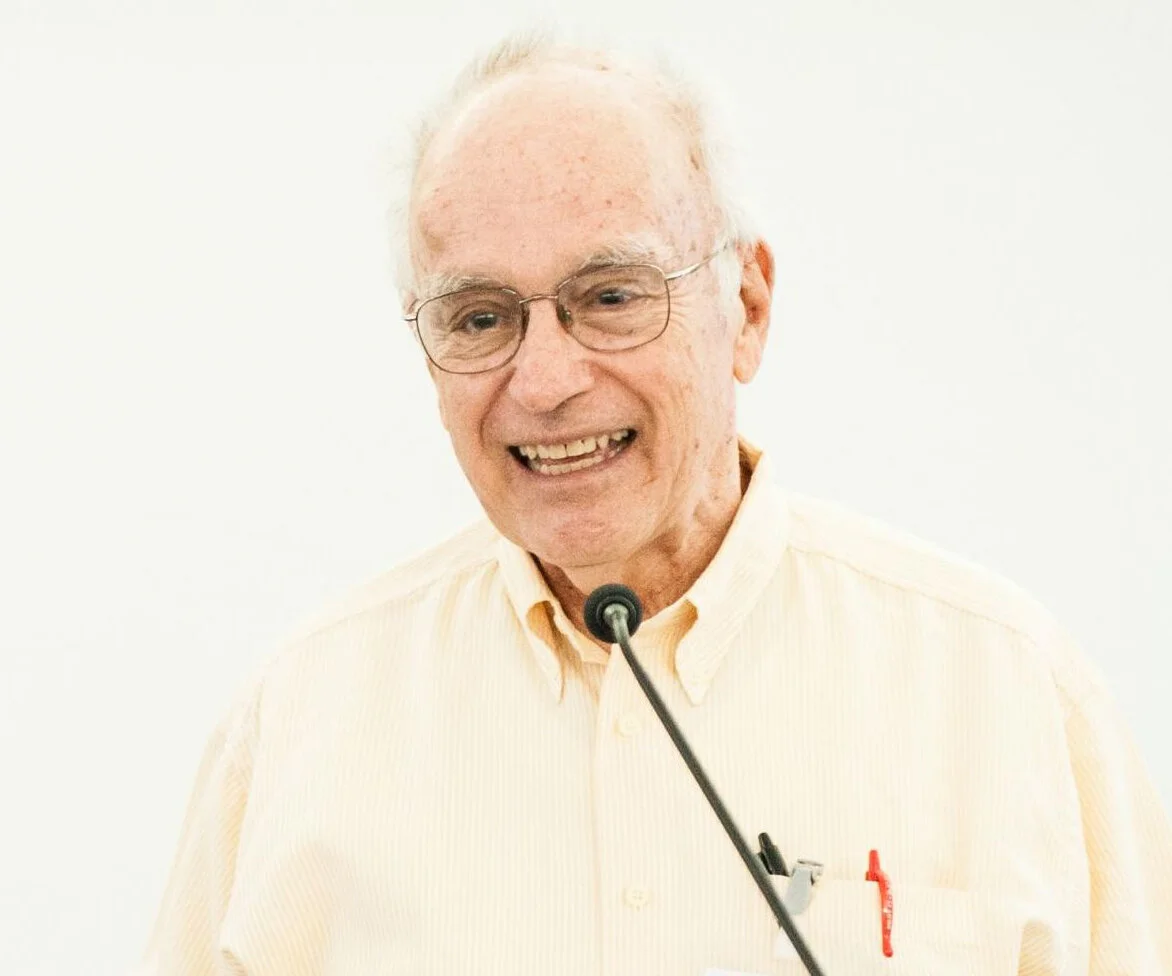
Paul Lauter
The Interview An oral history interview for Radical Teacher Interviewed by Michele Fazio December 20, 2022. The transcript has been lightly edited for readability. Michele Fazio: So this next part, we’re going to talk more about how you became radicalized. Is there a particular moment that comes to mind, when you recognized that, or became…
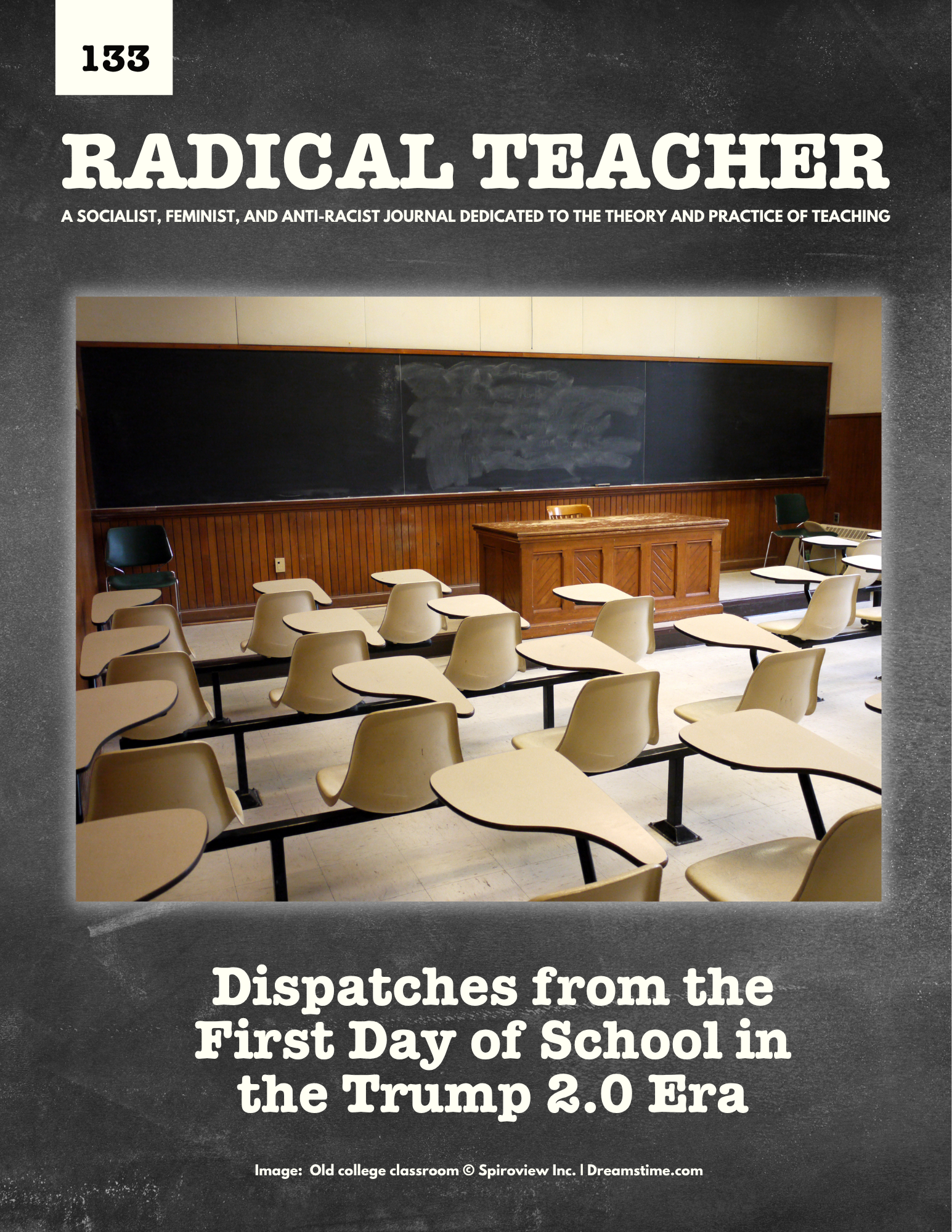
CURRENT ISSUE
Dispatches from the First Day of School in the Trump 2.0 Era
This issue examines how educators are responding to a rapidly intensifying political climate marked by censorship, anti-DEI legislation, restrictions on teaching race, gender, sexuality, and history, and broader authoritarian pressures on schools and universities. Together, the essays explore both the crises teachers and students face in the Trump 2.0 Era, and the strategies educators are using to create spaces of care, political clarity, resistance, and radical possibility.
About
Radical Teacher, founded in 1975, is a socialist, feminist, and anti-racist journal dedicated to the theory and practice of teaching. It serves the community of educators who are working for democratic process, peace, and justice. The magazine examines the root causes of inequality and promotes progressive social change.
RADICAL TEACHER publishes articles on classroom practices and curriculum, as well as on educational issues related to gender and sexuality, disability, culture, globalization, privatization, race, class, and other similar topics.